
Diet & Care
Your Guide to Devon Rex Nutrition and Care
A Breeder’s Approach to Nutrition
At The Summit House, I am committed to exceptional care, starting with proper nutrition. For over 15 years, I have fed a carefully balanced, species-appropriate diet, and I have seen firsthand how cats thrive on this approach. My experience in Sphynx rescue, alongside my work with Devon Rex, has shown the profound impact nutrition has on overall health and quality of life.
Cats are obligate carnivores, biologically designed to consume meat and moisture. While some may survive on high-carbohydrate dry foods, they truly flourish on diets high in animal protein and moisture. Through rescue work, I have witnessed remarkable transformations—cats overcoming IBD, allergies, lethargy, or weight issues become active, healthy, and vibrant.
These lessons guide my Devon Rex breeding program. I emphasize high-quality nutrition, structured feeding routines, and consistent care. Scheduled meals support digestion, weight management, and a sense of security, helping cats settle into healthy routines. Thoughtful nutrition and care form the foundation for happy, thriving cats at The Summit House.
Types Of Diets
-
Dry Food
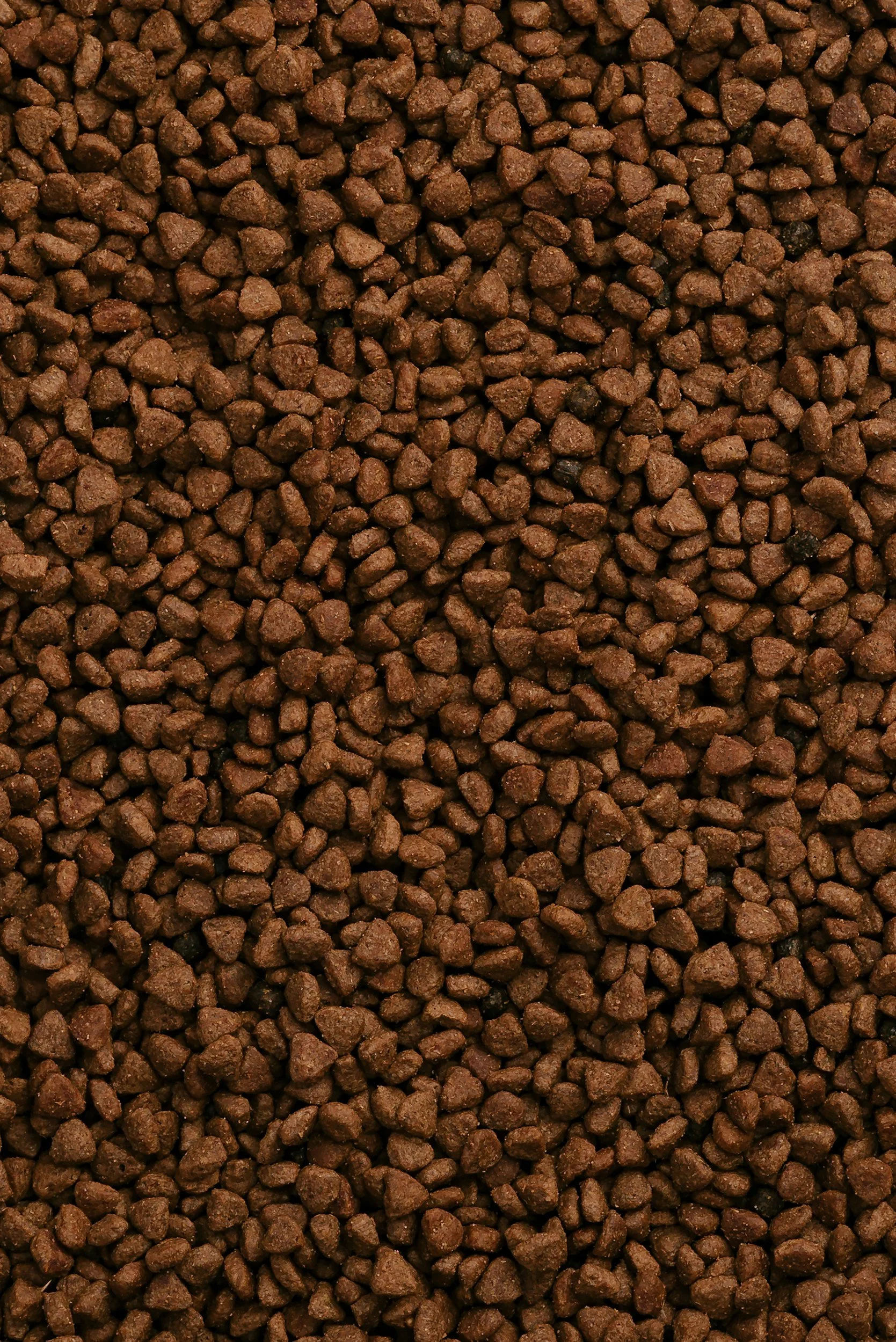
Dry food is low in moisture, high in carbohydrates, and often full of fillers and additives. It can stress kidneys, contribute to obesity, impact digestion, and provide little to no dental benefit.
-
Wet Food
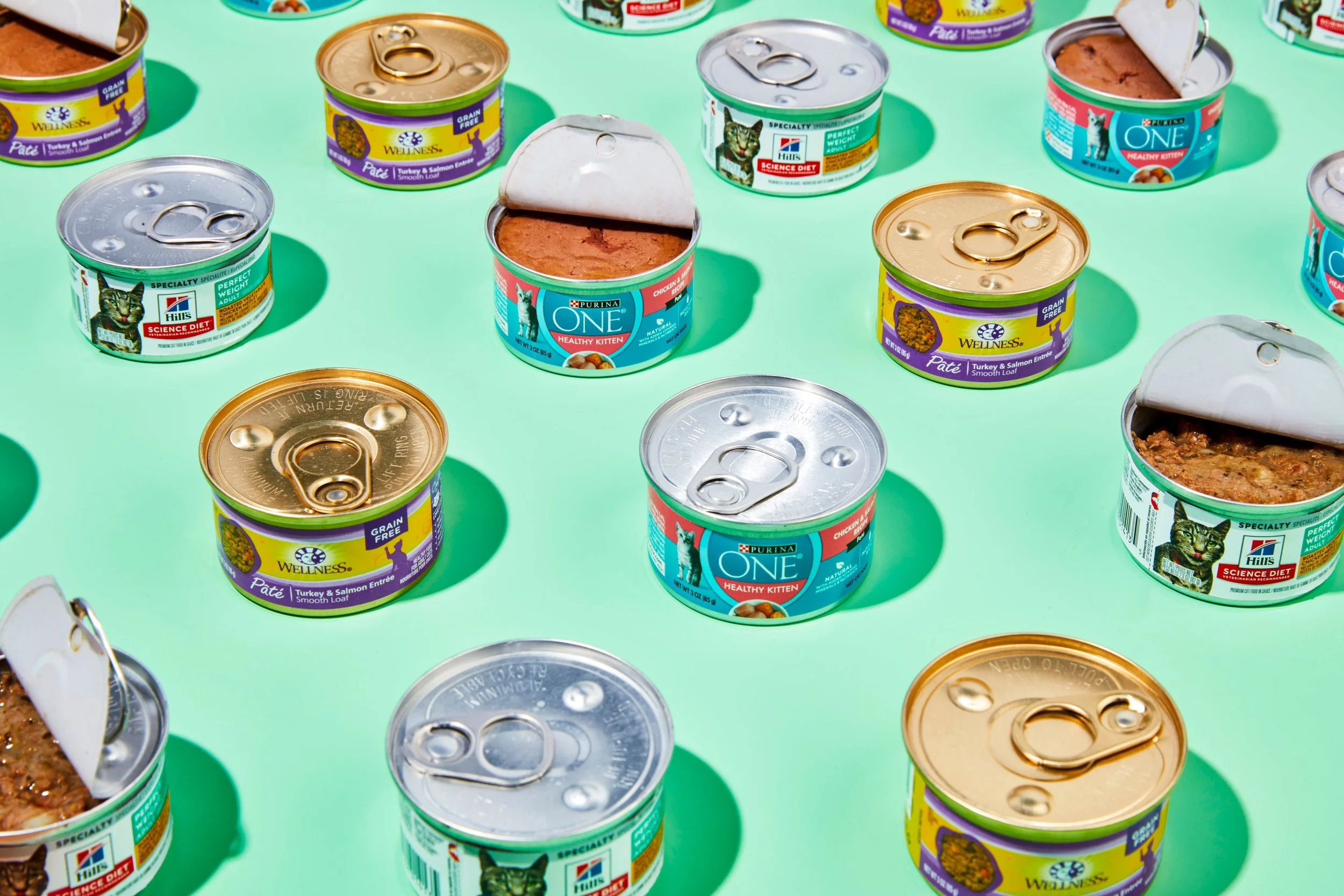
Wet food is high in real meat, low in carbs, and over 60% moisture. It supports hydration, kidney and urinary health, and helps cats stay active and healthy—making it a far better choice than dry food.
-

Raw
A balanced raw diet includes muscle meat, bone, and organs, providing the highest moisture and a species-appropriate nutrition. It supports kidney and urinary health, helps control weight, prevents diabetes, and keeps cats active and energetic.
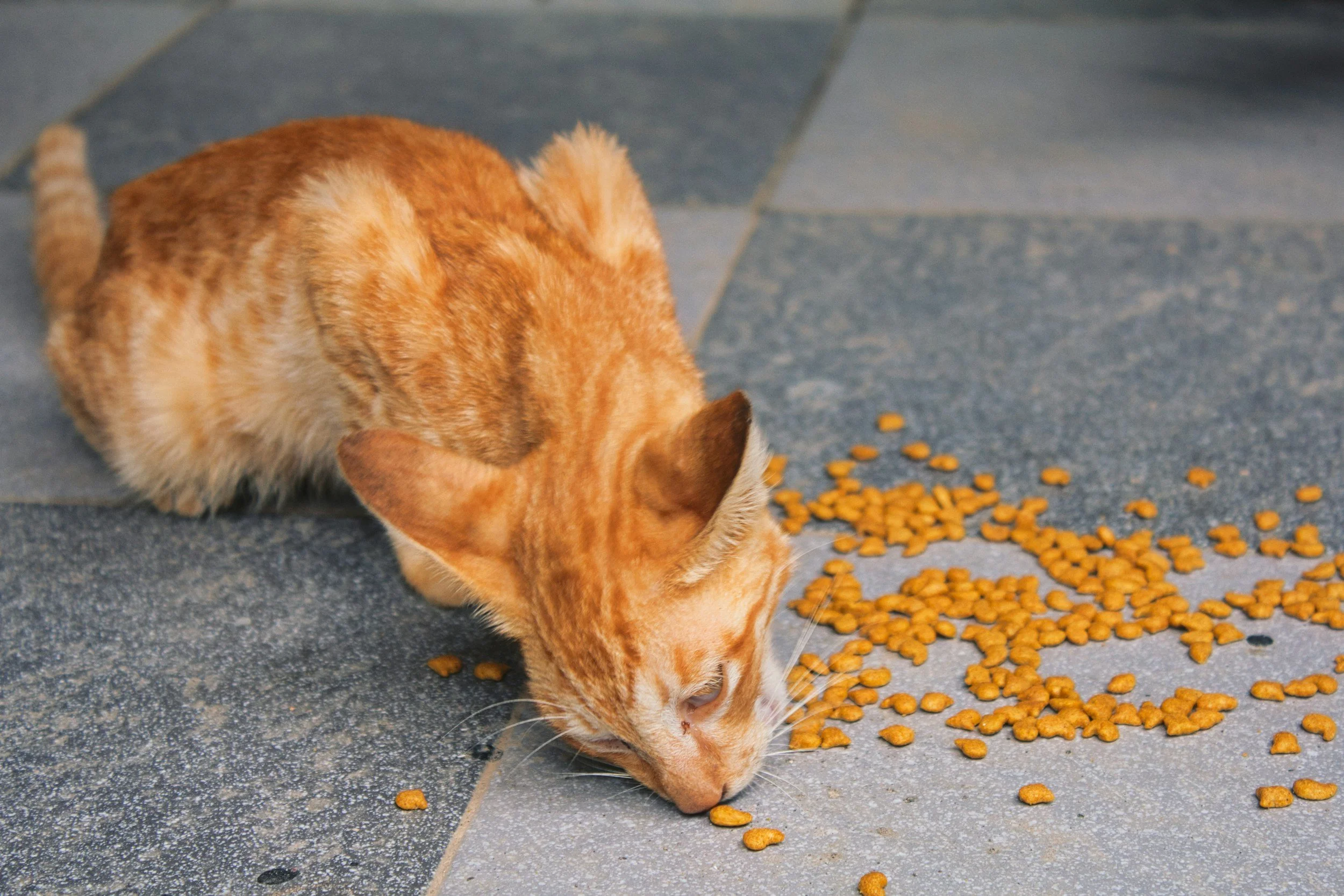
What you feed your cat makes a difference in the overall health of the cat. Help your cat to thrive, and not just survive.”
— Dr. Fern, Uniquely Cats Veterinary CenterGrooming
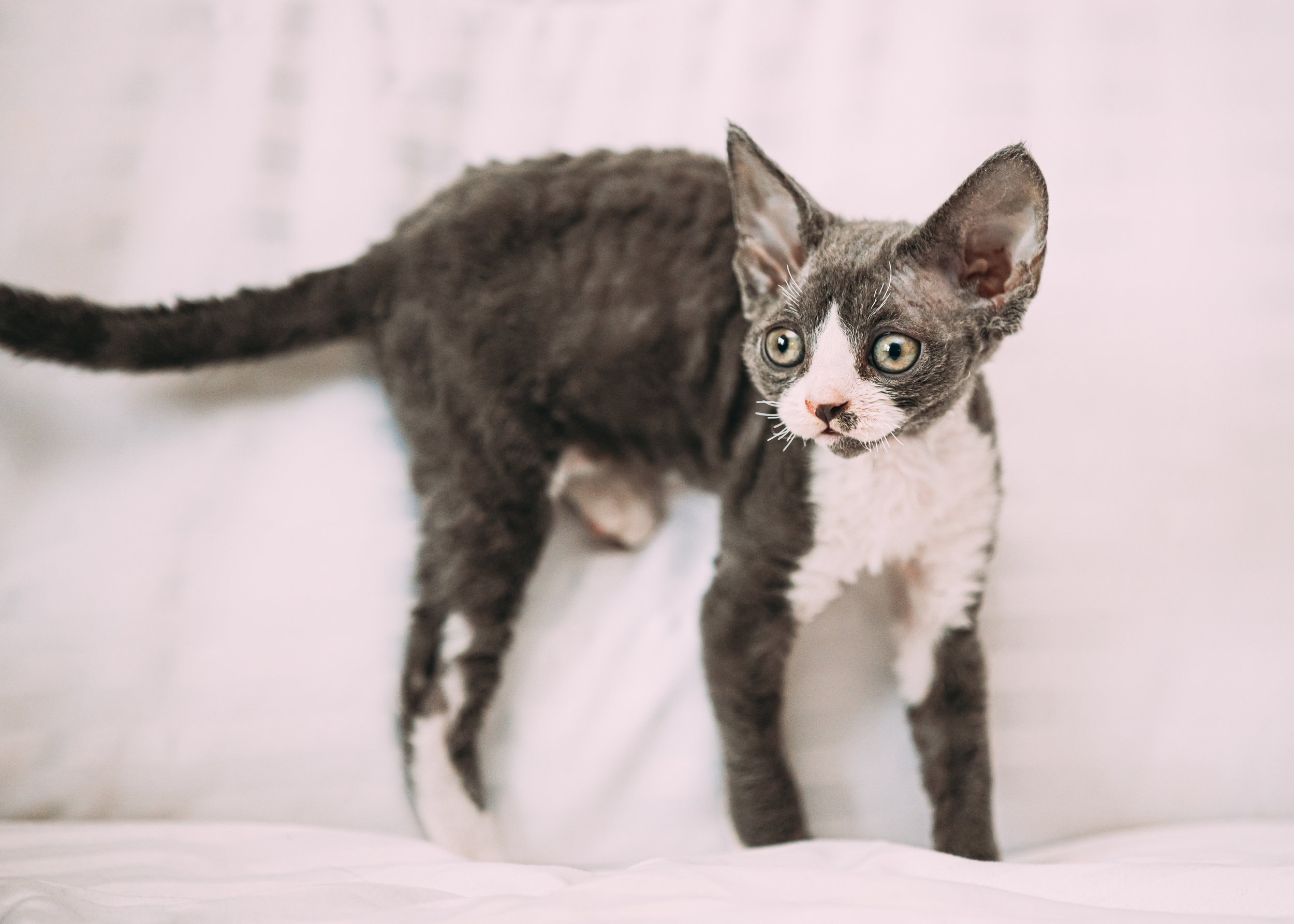
Devon Rex cats are wonderfully low-maintenance when it comes to grooming—but their care is a little different than other breeds. With their soft, wavy coats and delicate hair structure, Devon Rexes require a gentle approach to stay healthy and comfortable.
FAQs
-
No. Devon Rex cats should not be brushed like traditional breeds. Their coats are made up of very fine, fragile hairs that can be easily damaged by brushes or combs. Instead, gently wiping the coat with a soft cloth or using your hands to remove loose hair is the best approach.
-
Devon Rex cats typically benefit from regular bathing every few weeks. Because they tend to produce more natural skin oils than other breeds, bathing helps prevent oil buildup and keeps their skin healthy. Always use a gentle, cat-safe shampoo to avoid irritation.
-
Devon Rex cats have large, open ears that can collect wax more quickly than other breeds. Regular ear cleaning helps prevent buildup and reduces the risk of infection. Your breeder or veterinarian can recommend safe products and proper techniques.
-
Yes. Routine nail trimming is important to prevent overgrowth, snagging, and accidental scratching. Regular trims also help protect furniture and keep your cat comfortable.
-
Yes. Oil can build up around the chin, paws, and nail beds. Occasional cleaning of these areas helps keep your Devon Rex clean and prevents skin issues.
-
Not at all. Devon Rex grooming is generally simple and low-maintenance when done consistently. With gentle care and routine upkeep, your Devon Rex will stay clean, comfortable, and happy.