
Cat Shows 101: History, Purpose & How to Get Involved
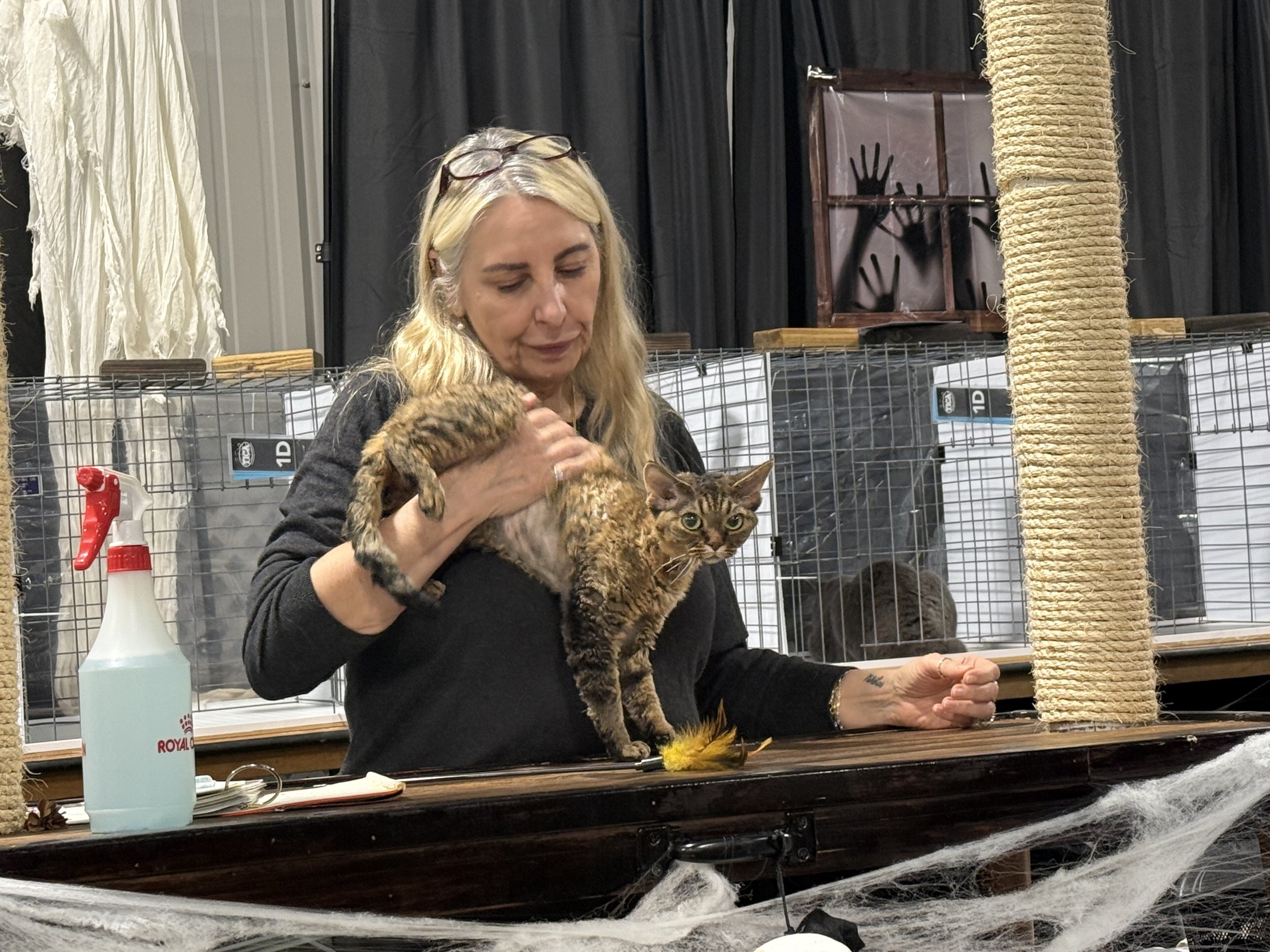
Picture by : The Cat Fanciers Association
If you’ve ever wondered what really happens at a cat show — or whether it’s worth attending — you’re not alone. Cat shows are one of the best ways to learn about breeds, meet ethical breeders, and experience the feline world beyond social media photos.
At Summit Rex, we believe education is a cornerstone of responsible breeding. So here’s your complete guide to Cat Shows 101 — from their fascinating history to how you can get involved.
The History of Cat Shows
Cat shows date back to the 19th century. The first major organized cat show was held in 1871 at the legendary Crystal Palace in London. Organized by artist and cat enthusiast Harrison Weir, the event showcased pedigree cats and introduced the idea of breed standards — written descriptions outlining ideal characteristics for each breed.
As cat fancy grew in popularity, registries formed to standardize breeding and judging. Today, major organizations like:
The International Cat Association (TICA)
Cat Fanciers' Association (CFA)
oversee breed standards, titles, and ethical show practices across the world.
Over time, cat shows evolved from simple exhibitions into structured, points-based competitions that celebrate breed preservation, health, temperament, and responsible breeding programs.
What Is a Cat Show?
Despite the stereotype, cat shows are not “beauty pageants.” They are structured evaluations where judges compare cats to their official breed standards.
Here’s how it works:
Cats are entered into categories (kittens, adults, altered, household pets, etc.).
Each cat is individually examined by judges.
Judges evaluate structure, coat, head shape, ear set, eye shape, temperament, and overall condition.
Cats are ranked, and winners earn titles (Champion, Grand Champion, etc.).
It’s less about who’s the cutest (though they’re all adorable) and more about how closely a cat represents the ideal standard for its breed.
For breeds like the Devon Rex, judges look at:
Large, low-set ears
Prominent cheekbones
Short, curly coat
Elfin expression
Muscular but fine-boned body
Shows also include household pet classes, meaning non-pedigreed cats can compete and earn titles too.
Why Do We Have Cat Shows?
Cat shows serve several important purposes:
1. Breed Preservation
Responsible breeders work to preserve genetic health, structure, and temperament. Shows provide a third-party evaluation to ensure breeding programs stay aligned with the breed standard.
2. Education
Cat shows are public events where attendees can:
Meet different breeds in person
Learn about temperament differences
Talk directly with ethical breeders
Ask about health testing and care
There is no substitute for seeing and interacting with breeds before committing to one.
3. Community
The cat fancy world is full of passionate, dedicated people who prioritize animal welfare. Shows foster mentorship, collaboration, and continued learning.
4. Accountability
Because cats are judged against written standards and breeders are visible in a public setting, ethical practices are encouraged. Reputable breeders are proud to discuss:
Genetic testing
Spay/neuter contracts
Health guarantees
Socialization practices
What It’s Like to Attend
Cat shows are typically held in event centers, fairgrounds, or hotel ballrooms over a weekend. You’ll see:
Ring judging throughout the day
Breed booths with information
Vendor areas for toys, food, and cat supplies
Breeders available to talk between judging sessions
It’s completely acceptable (and encouraged!) to ask breeders about their cats — just wait until they’re not actively in the judging ring.
How You Can Get Involved
Attend as a Spectator
The easiest first step. Admission is usually affordable, and it’s a wonderful way to meet breeds you’re researching.
You can search upcoming shows through organizations like:
The International Cat Association
Cat Fanciers' Association
Meet Breeders in Person
If you’re considering a specific breed — like the Devon Rex — shows are one of the best ways to:
See multiple examples of the breed
Compare temperament and structure
Connect with reputable breeders
Join waitlists responsibly
Enter Your Own Cat
If you have a pedigreed cat from a show breeder, you may be able to enter them in kitten or championship classes.
If you have a beloved rescue, look into Household Pet classes — they’re incredibly fun and welcoming.
Volunteer
Clubs often need help with setup, check-in, and ring assistance. Volunteering gives you behind-the-scenes insight into how shows operate.
Are Cat Shows Ethical?
When run under established registries and ethical breeders, yes. Ethical breeders prioritize:
Genetic health testing
Limited breeding
Proper socialization
Lifetime responsibility for their cats
Transparency
At Summit Rex, we believe cat shows should reflect a commitment to improving the breed — not ego or profit. Titles are meaningful only when paired with health, temperament, and ethical responsibility.
Final Thoughts
Cat shows are more than ribbons and trophies. They are educational, community-driven events that protect breed integrity and connect passionate people with the right feline companions.
If you’re exploring the Devon Rex — or any breed — attending a show is one of the smartest first steps you can take.
We’re always happy to guide families in learning more about the breed and responsible ownership.
Curious about upcoming shows near Colorado Springs? Reach out — we love helping future Devon Rex families start their journey the right way.